What Are Refrigerated Containers and How Do They Work?

Kate brayshaw
Published
When your business handles temperature-sensitive goods, reliable storage is essential. From fresh food and frozen products to pharmaceuticals and specialist materials, keeping products at the correct temperature helps protect their quality, safety and usability.
Refrigerated containers, often called reefer containers, offer a practical way to store and transport goods that require controlled temperatures. They combine the strength and convenience of a shipping container with an integrated refrigeration system, giving businesses a flexible alternative to traditional cold storage facilities.
But how exactly do refrigerated containers work, and could they benefit your business?
What Is a Refrigerated Container?
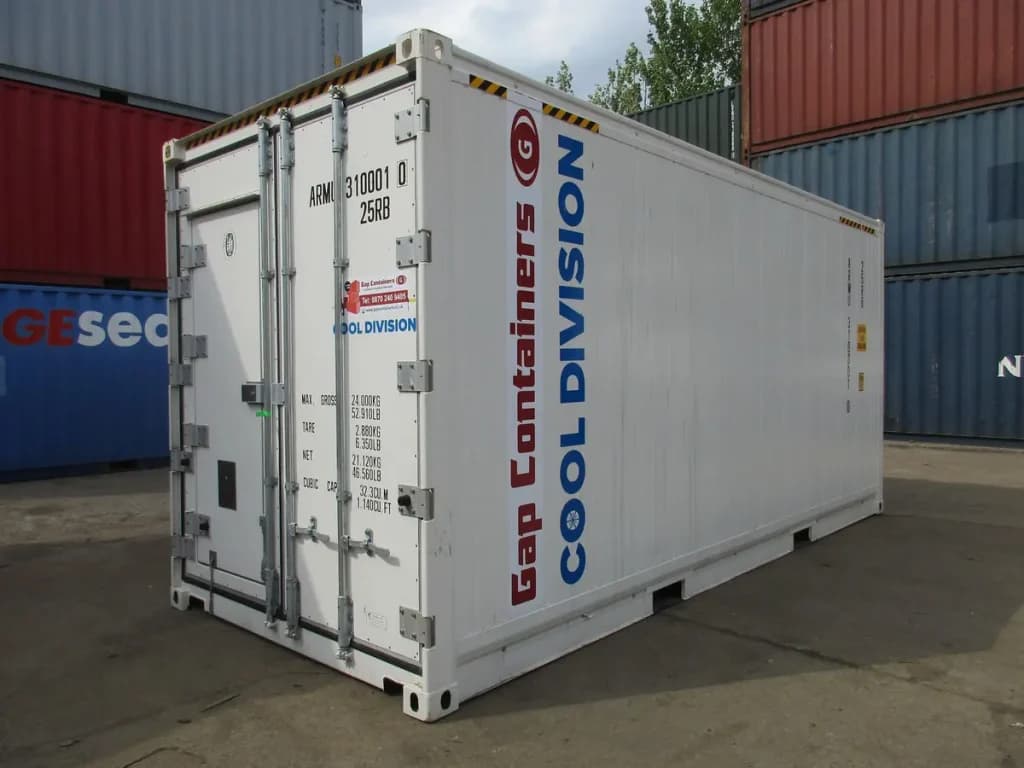
A refrigerated container is a specially designed shipping container that maintains a controlled internal temperature.
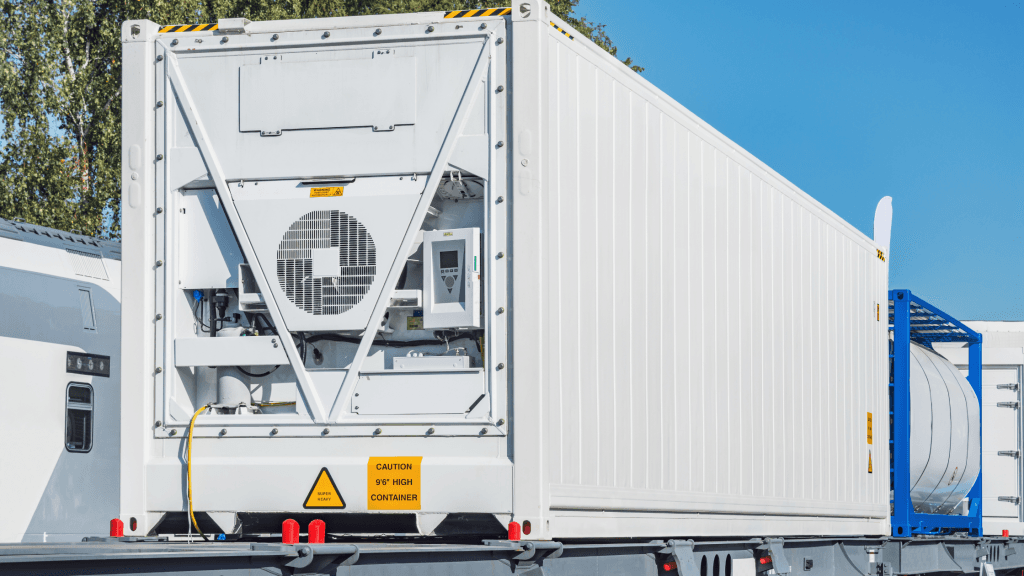
Unlike a standard shipping container, which provides secure and weather-resistant storage, a refrigerated container includes a refrigeration unit, insulation and an airflow system. These features work together to maintain suitable conditions for temperature-sensitive products.
Businesses commonly use refrigerated containers to store chilled and frozen goods, although certain models can also maintain warmer controlled temperatures.
Refrigerated containers come in different sizes, with 20ft and 40ft units among the most common options. This allows businesses to choose a solution based on their available space, storage requirements and the volume of products they need to accommodate.
How Do Refrigerated Containers Work?
Refrigerated containers use a built-in refrigeration system to regulate the temperature inside the unit.
The process involves several important components.
1. Temperature control
Operators select the required temperature using the container’s control panel. The refrigeration system then works to maintain that setting within the unit’s operating capabilities.
The correct temperature depends on the products being stored. Fresh produce, frozen foods and pharmaceutical goods can all have different requirements.
2. Air circulation
The refrigeration unit circulates conditioned air throughout the container. This airflow helps maintain consistent conditions and reduces the risk of significant temperature differences between areas.
Businesses must load their products correctly and avoid blocking the designated airflow channels to help the system operate effectively.
3. Insulation
Refrigerated containers contain insulated walls, floors and ceilings that help limit heat transfer between the interior and the outside environment.
Good insulation supports efficient temperature control, particularly when outdoor conditions change throughout the day.
4. Continuous power
Most refrigerated containers require a suitable electrical power supply to operate their refrigeration systems.
Businesses should consider power availability, running costs and backup arrangements before installing a refrigerated container, especially when storing valuable or highly sensitive products.
What Are Refrigerated Containers Used For?
Refrigerated containers support a wide range of industries because they provide flexible temperature-controlled storage.
Food and Drink
Food manufacturers, catering businesses, supermarkets and hospitality providers regularly need additional chilled or frozen storage.
A refrigerated container can provide extra capacity during busy periods, seasonal demand or refurbishment work.
For example, a catering company preparing for a large event might use a refrigerated container to store ingredients safely while keeping its existing kitchen facilities available for food preparation.
Pharmaceuticals and Healthcare
Certain medicines, medical supplies and laboratory materials require carefully controlled storage conditions.
Suitable refrigerated containers may support these requirements, provided the unit meets the necessary temperature, monitoring, validation and regulatory standards.
Businesses handling these products must check the specifications carefully rather than assuming every refrigerated container meets pharmaceutical storage requirements.
Agriculture
Farmers, growers and food distributors can use refrigerated containers to help preserve harvested produce before distribution.
Controlling storage temperatures can help reduce spoilage and maintain product quality while goods move through the supply chain.
Events and Hospitality
Festivals, outdoor events and temporary hospitality venues often need extra refrigeration without building permanent facilities.
Refrigerated containers offer a practical option where suitable space and power supplies are available.
What Are the Benefits of Refrigerated Containers?
One of the biggest advantages of refrigerated containers is their flexibility.
Businesses can position them on suitable premises, relocate them when necessary and use them to expand existing storage capacity without immediately investing in a permanent cold storage building.
They also offer several practical benefits.
Flexible storage capacity: Businesses can increase their temperature-controlled storage space to accommodate changing demand.
Secure construction: Their robust steel structures help protect stored goods, while suitable locks and access controls improve security.
Controlled conditions: Integrated refrigeration equipment helps maintain the required temperature when operators configure, load and maintain the unit correctly.
Multiple applications: Businesses across food production, logistics, agriculture and hospitality can use refrigerated containers for different storage requirements.
Scalable solutions: Depending on site conditions, businesses can add further units as their storage needs grow.
Choosing the Right Refrigerated Container
Before investing in refrigerated storage, businesses should consider what they intend to store and how they will use the container.
Start by identifying the temperature range your products require. Then consider the volume of goods, available site space, loading arrangements and access to a suitable power supply.
You should also assess the container’s condition, insulation, refrigeration performance and maintenance requirements.
For businesses with specialist needs, discussing these requirements with an experienced container supplier can help identify a suitable solution.
Explore Refrigerated Container Solutions with GAP Containers
Whether your business needs additional cold storage, a flexible solution for seasonal demand or a container for a specialist application, choosing the right equipment makes a difference.
GAP Containers can help you explore container options that suit your operational requirements.
Contact GAP Containers through our website to discuss your storage needs and find out which container solution could work for your business.
Written by Kate brayshaw
Specialist at GAP Containers providing guidance on container conversions, high-cube sizing, insulation, and site delivery.
Keep Reading
Related Articles & Guides
A Bespoke Container Transformation Service for You
Every business has different requirements, and standard solutions do not always provide the space, layout or features needed to support daily operations. Whether you need an additional office, a secure workshop, a specialist storage area or a practical workspace, a shipping container can provide a useful starting point. Bespoke container conversions transform standard shipping containers ...
What Size Shipping Container Do You Need?
Choosing a shipping container is much easier when you know how much space you actually need. There are several shipping container sizes available, and the best option depends on what you plan to store, the space available on site and whether the container will eventually be converted. Why Container Size Matters Buying a container that ...
How long does it take to convert a shipping container?
When commercial operations need extra space or site accommodation, timing is critical. One of the greatest advantages of container conversions over conventional construction is predictability. Here is a transparent breakdown of typical fabrication and delivery schedules at GAP Containers. Stage 1: CAD Design & Specification (3 to 7 Days) Every bespoke conversion begins with clear ...