What Size Shipping Container Do You Need?

Kate brayshaw
Published
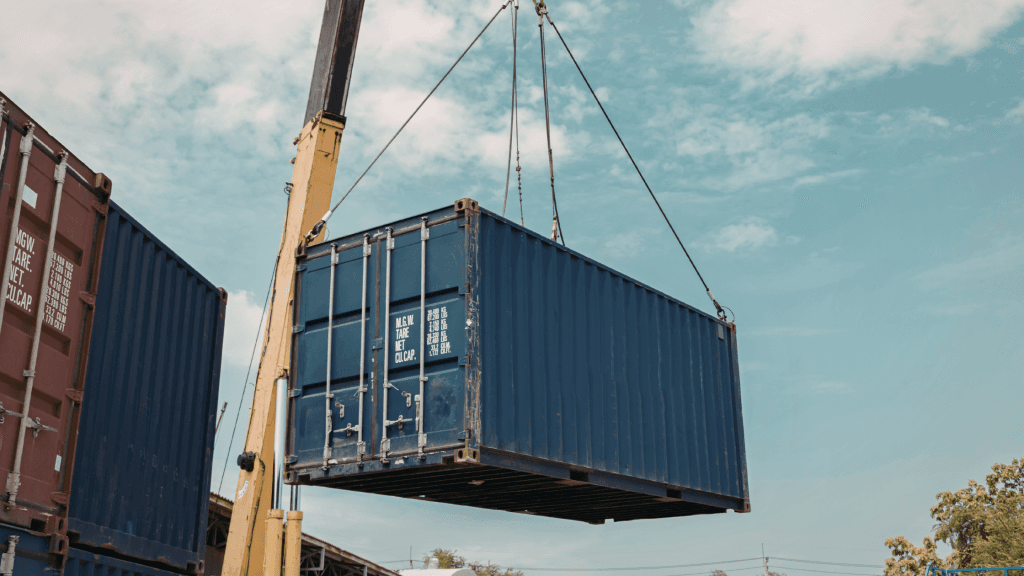
Choosing a shipping container is much easier when you know how much space you actually need.
There are several shipping container sizes available, and the best option depends on what you plan to store, the space available on site and whether the container will eventually be converted.
Why Container Size Matters
Buying a container that is too small can quickly become frustrating.
Choosing one that is unnecessarily large can also take up valuable site space and increase project costs.
Before ordering, think about both your immediate requirements and how those requirements could change in the future.
20ft Shipping Containers
The 20ft container is one of the most familiar options.
Its size makes it suitable for a wide range of uses while remaining manageable on many commercial and industrial sites.
Businesses can use 20ft containers for equipment, tools, stock and general storage.
They can also provide a useful starting point for conversion projects where a compact but practical internal space is required.
Smaller Containers
Not every site has room for a full 20ft unit.
Smaller containers can work well where space is limited or where only a modest amount of secure storage is required.
Options such as 8ft containers can provide additional storage without dominating the available area.
Larger Containers
Businesses requiring significantly more capacity may benefit from larger units.
A larger container can be useful when storing bulky equipment, large quantities of stock or materials that need additional internal space.
The available access and delivery area should always be considered before choosing a larger unit.
Think About Access
The container itself is only one part of the equation.
You also need enough room to deliver and position it safely.
Consider vehicle access, gates, overhead restrictions and the surface where the container will sit.
Planning these details before delivery can make the installation process much smoother.
Storage or Conversion?
How you plan to use the container can also influence the size you choose.
Straightforward storage may require little modification.
A container being transformed into an office, workshop or other usable space may need additional room for insulation, internal walls, doors, windows or equipment.
Planning the final layout before selecting a container can therefore be useful.
Find the Right Container With GAP
GAP Containers supplies shipping containers for sale, hire and conversion, with nationwide delivery available.
Our team can help you choose the right size and specification for your project.
Call 0151 546 2355 or email sales@gapcontainers.co.uk to discuss your requirements.
Written by Kate brayshaw
Specialist at GAP Containers providing guidance on container conversions, high-cube sizing, insulation, and site delivery.
Keep Reading
Related Articles & Guides
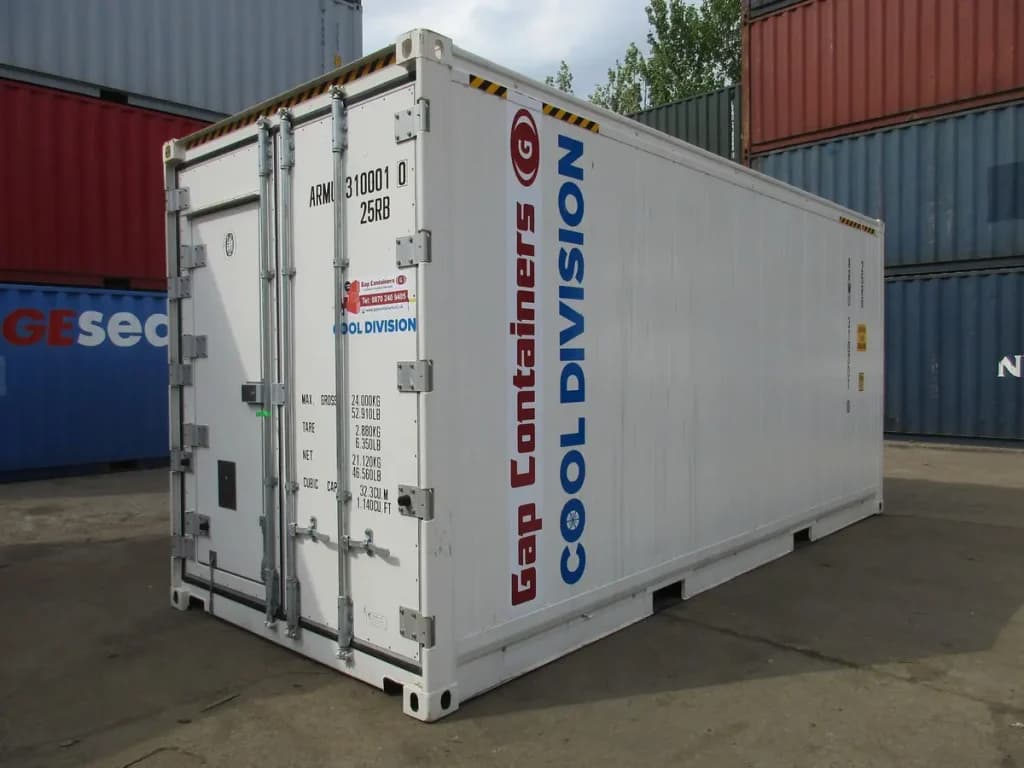
How long does it take to convert a shipping container?
When commercial operations need extra space or site accommodation, timing is critical. One of the greatest advantages of container conversions over conventional construction is predictability. Here is a transparent breakdown of typical fabrication and delivery schedules at GAP Containers. Stage 1: CAD Design & Specification (3 to 7 Days) Every bespoke conversion begins with clear ...
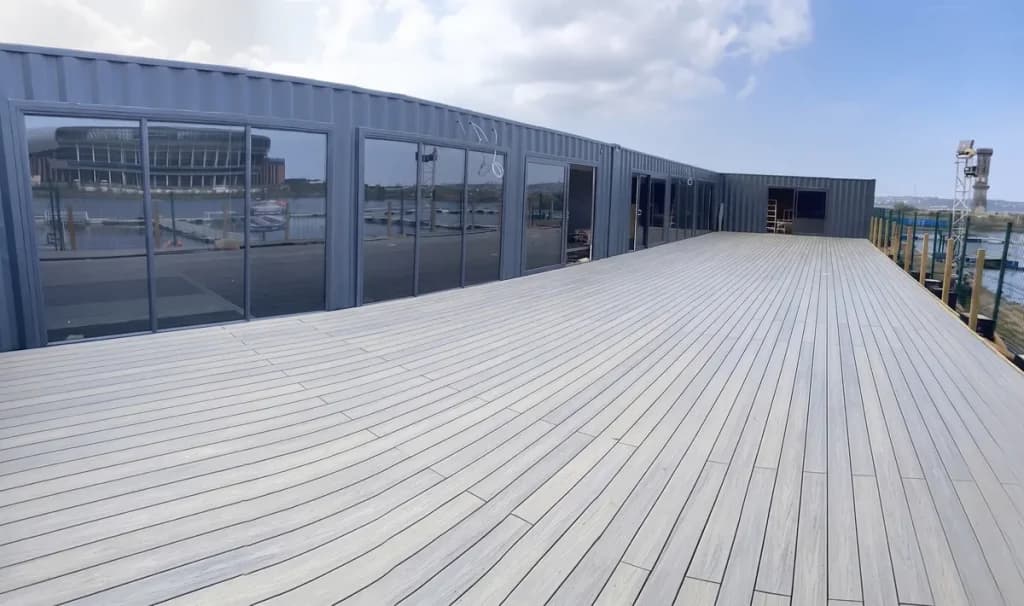
Small space, big ideas: maximising a 20ft container
The 20ft shipping container is the undisputed workhorse of the modular world. Measuring 20ft long by 8ft wide by 8ft 6in high, it provides roughly 160 sq ft (14.8 sq m) of usable internal floor area. While that might sound compact, thoughtful architectural layout allows a 20ft unit to comfortably function as a fully featured ...
Are shipping container conversions eco-friendly?
With climate targets and corporate ESG requirements rising up the agenda, developers and business owners frequently ask: Are shipping container conversions genuinely environmentally friendly? The answer lies in understanding embodied energy, steel recycling, and off-site manufacturing efficiency. Upcycling vs. Smelting: The Embodied Carbon Advantage Each standard 40ft ISO shipping container contains approximately 3,800kg of high-grade Corten steel. ...