Are shipping container conversions eco-friendly?

bluecowdigital
Published
With climate targets and corporate ESG requirements rising up the agenda, developers and business owners frequently ask: Are shipping container conversions genuinely environmentally friendly? The answer lies in understanding embodied energy, steel recycling, and off-site manufacturing efficiency.
Upcycling vs. Smelting: The Embodied Carbon Advantage
Each standard 40ft ISO shipping container contains approximately 3,800kg of high-grade Corten steel. When a shipping container reaches the end of its maritime cargo service (typically after 10 to 15 years), the conventional disposal route is melting it down as scrap.
Melting and reprocessing steel requires enormous energy (roughly 8,000 to 9,000 kWh per tonne). Upcycling that container into a long-lasting building bypasses this energy-intensive smelting process, saving thousands of kilograms of greenhouse emissions per unit.
Off-Site Modular Construction Minimises Waste
Conventional on-site building generates substantial material waste—from damaged bricks and surplus wet concrete to discarded plasterboard offcuts. By completing conversion modifications inside our controlled Kirkby facility, material cuts are precision-optimised and excess metal is cleanly segregated for specialist steel recycling.
Energy Efficiency in Operation
An eco-friendly conversion must also operate efficiently throughout its lifespan. When fitted with double-glazed low-E argon-filled windows, closed-cell insulation with U-values meeting current Part L building regulations, and smart thermostatic heat pumps, a container conversion requires remarkably little energy to heat and cool.
Written by bluecowdigital
Specialist at GAP Containers providing guidance on container conversions, high-cube sizing, insulation, and site delivery.
Keep Reading
Related Articles & Guides
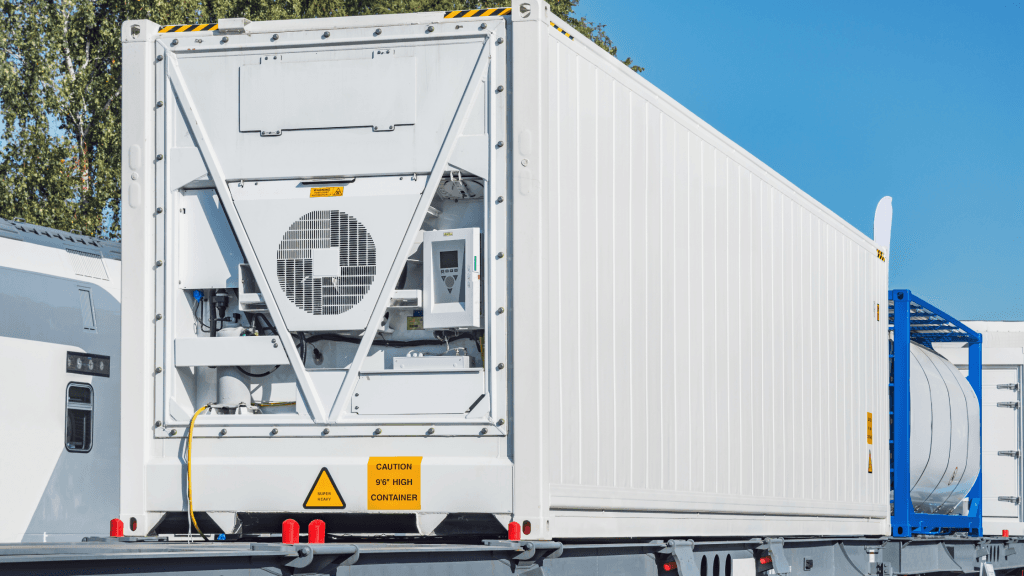
What Are Refrigerated Containers and How Do They Work?
When your business handles temperature-sensitive goods, reliable storage is essential. From fresh food and frozen products to pharmaceuticals and specialist materials, keeping products at the correct temperature helps protect their quality, safety and usability. Refrigerated containers, often called reefer containers, offer a practical way to store and transport goods that require controlled temperatures. They combine ...
What Size Shipping Container Do You Need?
Choosing a shipping container is much easier when you know how much space you actually need. There are several shipping container sizes available, and the best option depends on what you plan to store, the space available on site and whether the container will eventually be converted. Why Container Size Matters Buying a container that ...
How long does it take to convert a shipping container?
When commercial operations need extra space or site accommodation, timing is critical. One of the greatest advantages of container conversions over conventional construction is predictability. Here is a transparent breakdown of typical fabrication and delivery schedules at GAP Containers. Stage 1: CAD Design & Specification (3 to 7 Days) Every bespoke conversion begins with clear ...