Shipping container insulation – the key to using your container conversion all year round

bluecowdigital
Published
Shipping containers are built from solid steel—a phenomenal conductor of heat and cold. Without proper insulation and ventilation, an unlined steel box will suffer from internal temperature extremes and condensation (often referred to as ‘container sweat’). Understanding how to insulate your container correctly is the difference between a cold, damp shed and a warm, energy-efficient workspace.
The Science of Container Condensation
Warm air holds more moisture than cold air. When humid warm air hits the cold steel walls or ceiling of an uninsulated container, the air rapidly cools past its dew point, dropping moisture onto surfaces. Left unmanaged, this can damage internal timber framing, cause mould, and corrode fixtures.
Top Insulation Methods Compared
At GAP Containers, we utilise tested commercial insulation systems designed for British weather conditions:
1. Closed-Cell Spray Foam Insulation
Closed-cell polyurethane spray foam is one of the most effective solutions for steel structures. Applied directly onto the corrugations, it creates an airtight moisture and thermal barrier, eliminating any gap between steel and insulation where condensation could otherwise form.
- Thermal Performance: High R-value per inch.
- Airtightness: Completely seals joints, seams, and weld points.
- Structural Rigidity: Adds physical stiffness to side corrugated panels.
2. Rigid PIR Foam Boards (Kingspan / Celotex)
Fitted between internal timber studwork, rigid polyisocyanurate (PIR) boards deliver exceptional thermal resistance with minimal thickness, conserving valuable internal floor space.
- Foil-faced backing reflects radiant heat back into the room.
- Taped seams prevent moisture transfer.
- Ideal when combined with a vapour control membrane before plasterboard or melamine wall cladding.
3. Rockwool / Mineral Wool Batts
A cost-effective alternative that provides excellent acoustic dampening alongside thermal insulation. Essential for audio studios, busy workshops, or office spaces located near heavy machinery.
Don’t Forget Ventilation
Insulation works hand-in-hand with controlled air exchange. We install trickle-vented UPVC windows, louvre air grilles, and humidity-tracking extractor fans to guarantee continuous fresh airflow without wasting heating energy.
Written by bluecowdigital
Specialist at GAP Containers providing guidance on container conversions, high-cube sizing, insulation, and site delivery.
Keep Reading
Related Articles & Guides
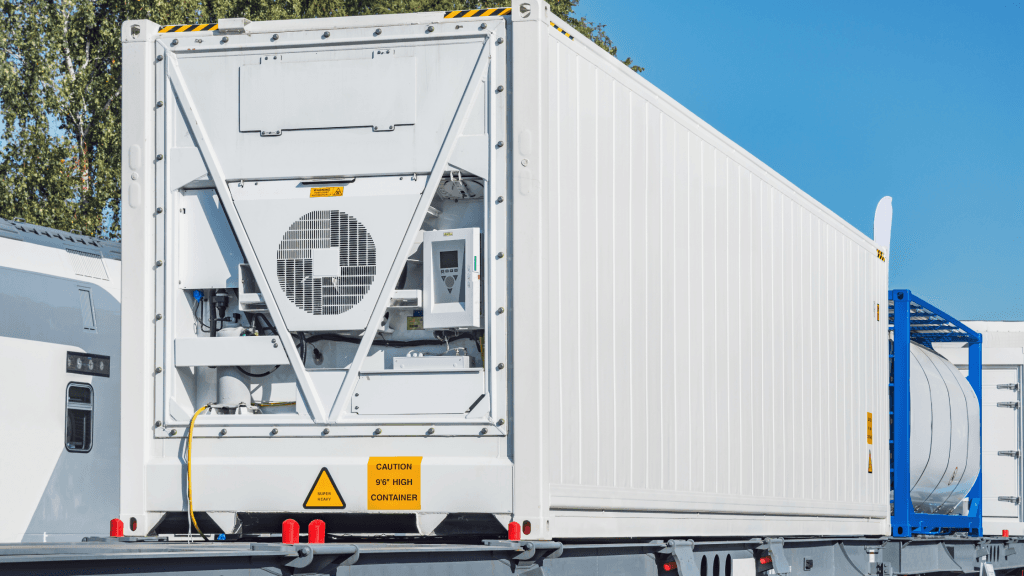
What Are Refrigerated Containers and How Do They Work?
When your business handles temperature-sensitive goods, reliable storage is essential. From fresh food and frozen products to pharmaceuticals and specialist materials, keeping products at the correct temperature helps protect their quality, safety and usability. Refrigerated containers, often called reefer containers, offer a practical way to store and transport goods that require controlled temperatures. They combine ...

What Size Shipping Container Do You Need?
Choosing a shipping container is much easier when you know how much space you actually need. There are several shipping container sizes available, and the best option depends on what you plan to store, the space available on site and whether the container will eventually be converted. Why Container Size Matters Buying a container that ...
How long does it take to convert a shipping container?
When commercial operations need extra space or site accommodation, timing is critical. One of the greatest advantages of container conversions over conventional construction is predictability. Here is a transparent breakdown of typical fabrication and delivery schedules at GAP Containers. Stage 1: CAD Design & Specification (3 to 7 Days) Every bespoke conversion begins with clear ...