Small space, big ideas: maximising a 20ft container

bluecowdigital
Published
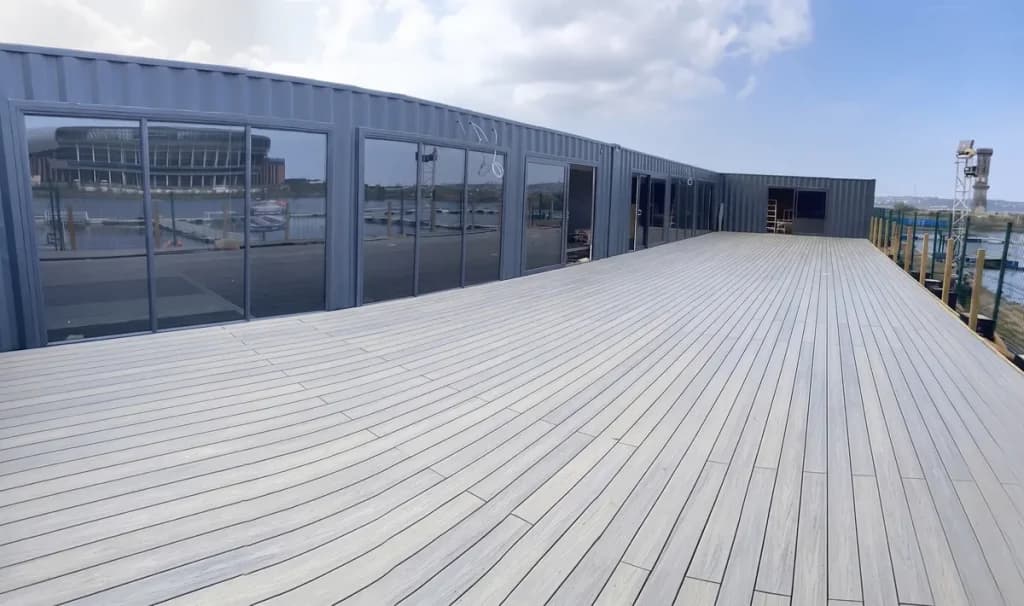
The 20ft shipping container is the undisputed workhorse of the modular world. Measuring 20ft long by 8ft wide by 8ft 6in high, it provides roughly 160 sq ft (14.8 sq m) of usable internal floor area. While that might sound compact, thoughtful architectural layout allows a 20ft unit to comfortably function as a fully featured dual-zone space.
Zone Planning: Split-Use Layouts
One of the most popular configurations we fabricate at GAP Containers is the 50/50 split or 60/40 partitioned unit. By welding in an internal steel or stud partition wall, you can create two distinct functional zones:
- Front Office + Rear Secure Store: UPVC glazed door and window for desk-based paperwork at the front, with original heavy-duty cargo doors at the rear for raw tool and plant storage.
- Office + WC / Kitchenette: An executive workspace alongside a private toilet and mini tea-prep sink station.
Maximising Natural Light
Steel containers have no windows by default. Adding strategically placed glazing makes a tremendous visual difference:
- Sliding UPVC or Aluminium Patio Doors: Replaces solid end doors with a floor-to-ceiling glass wall, flooding the interior with daylight and creating the illusion of much larger space.
- High-Level Strip Windows: Preserves wall space for shelving, whiteboards, or desk monitors while bringing in natural top-down light.
Built-In Storage & Space-Saving Hacks
In a 160 sq ft footprint, floor clutter quickly eats into comfort. Custom welded wall brackets, foldable desks, and overhead storage lofts take full advantage of the container’s 8ft internal ceiling height.
Written by bluecowdigital
Specialist at GAP Containers providing guidance on container conversions, high-cube sizing, insulation, and site delivery.
Keep Reading
Related Articles & Guides
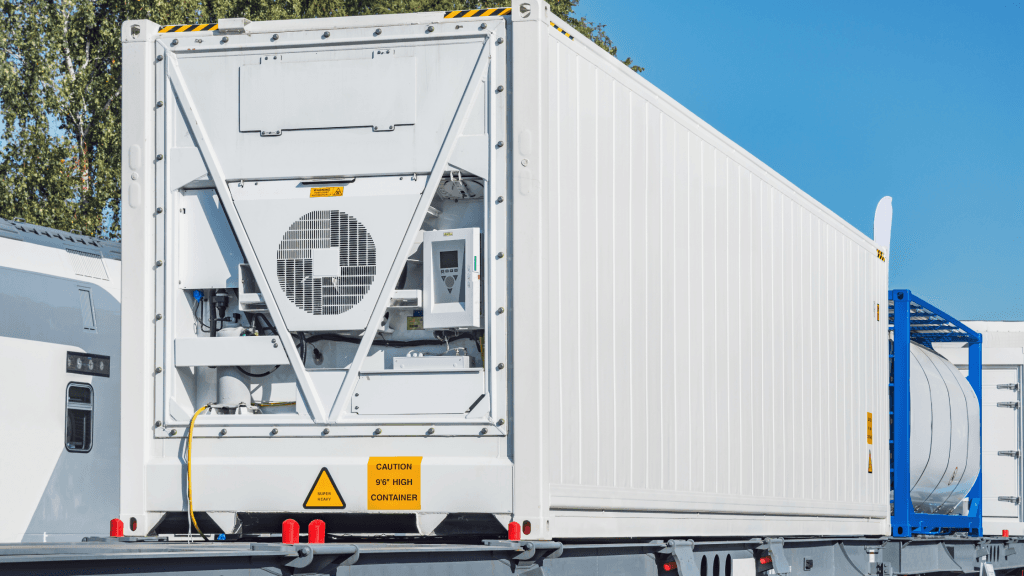
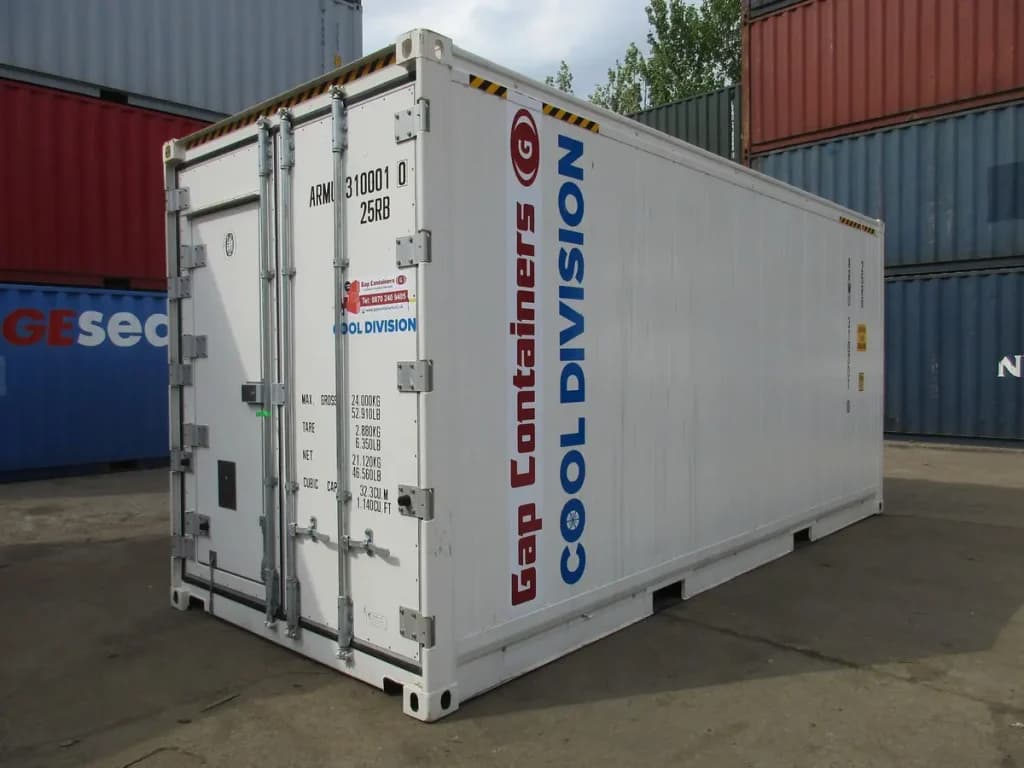
What Are Refrigerated Containers and How Do They Work?
When your business handles temperature-sensitive goods, reliable storage is essential. From fresh food and frozen products to pharmaceuticals and specialist materials, keeping products at the correct temperature helps protect their quality, safety and usability. Refrigerated containers, often called reefer containers, offer a practical way to store and transport goods that require controlled temperatures. They combine ...
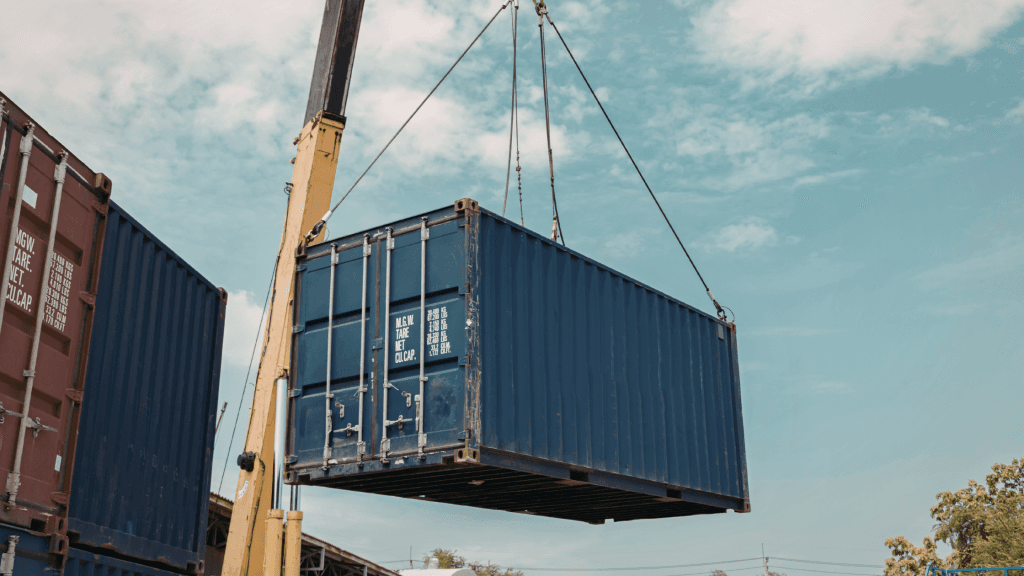
What Size Shipping Container Do You Need?
Choosing a shipping container is much easier when you know how much space you actually need. There are several shipping container sizes available, and the best option depends on what you plan to store, the space available on site and whether the container will eventually be converted. Why Container Size Matters Buying a container that ...
How long does it take to convert a shipping container?
When commercial operations need extra space or site accommodation, timing is critical. One of the greatest advantages of container conversions over conventional construction is predictability. Here is a transparent breakdown of typical fabrication and delivery schedules at GAP Containers. Stage 1: CAD Design & Specification (3 to 7 Days) Every bespoke conversion begins with clear ...