Top 5 uses for shipping containers beyond storage

bluecowdigital
Published
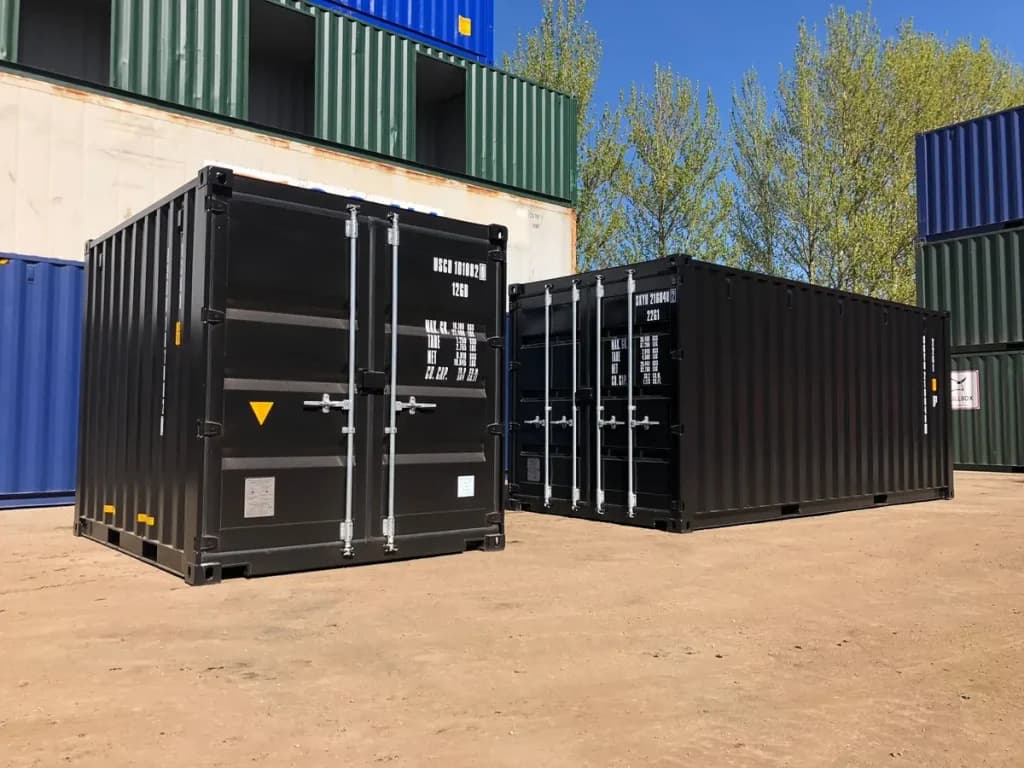
While ISO shipping containers were originally invented to move freight across global oceans, their modularity, durability, and secure locking systems have turned them into one of the most versatile building blocks in modern architecture. Here are five standout ways businesses and institutions are using containers beyond traditional warehousing.
1. Pop-Up Bars & Food Festivals
Hospitality operators love shipping containers for their security and mobility. Fitted with hydraulic hatch awnings, food-grade wipe-down stainless steel walls, grease traps, and commercial extraction systems, containers can operate as fully licensed street food kitchens or outdoor craft beer bars.
2. Construction Site Welfare Units & Canteens
The Health and Safety Executive (HSE) mandates adequate welfare facilities on construction sites. Converted 20ft and 40ft units can combine male and female WCs, hot water washstations, drying rooms for wet PPE, and comfortable heated canteen seating with microwave and kettle stations.
3. Secure School & Sports Club Changing Rooms
Sports clubs frequently require secure, vandal-resistant changing pavilions on playing fields where permanent construction is either unaffordable or restricted by local planning. Anti-vandal steel personnel doors, bench seating, non-slip drainage flooring, and instant electric showers make containers an ideal solution.
4. Agricultural & Vertical Farming Pods
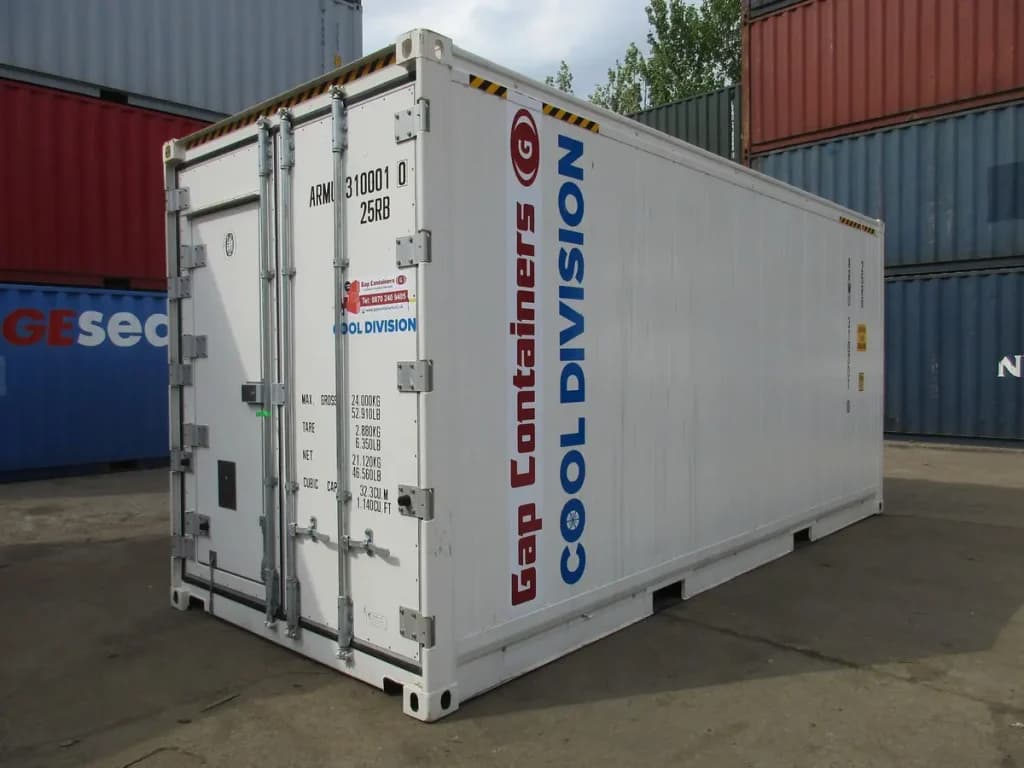
Controlled Environment Agriculture (CEA) uses insulated refrigerated containers (reefers) equipped with hydroponic shelving, LED grow lights, and automated climate control systems to cultivate leafy greens and mushrooms in any geographic location year-round.
5. Retail Showrooms & Pop-Up Boutiques
Full-height double glazed aluminium bi-fold doors, exterior composite cedar cladding, and flush ceiling spotlights transform containers into striking retail stores that can easily be relocated to high-footfall seasonal events.
Written by bluecowdigital
Specialist at GAP Containers providing guidance on container conversions, high-cube sizing, insulation, and site delivery.
Keep Reading
Related Articles & Guides
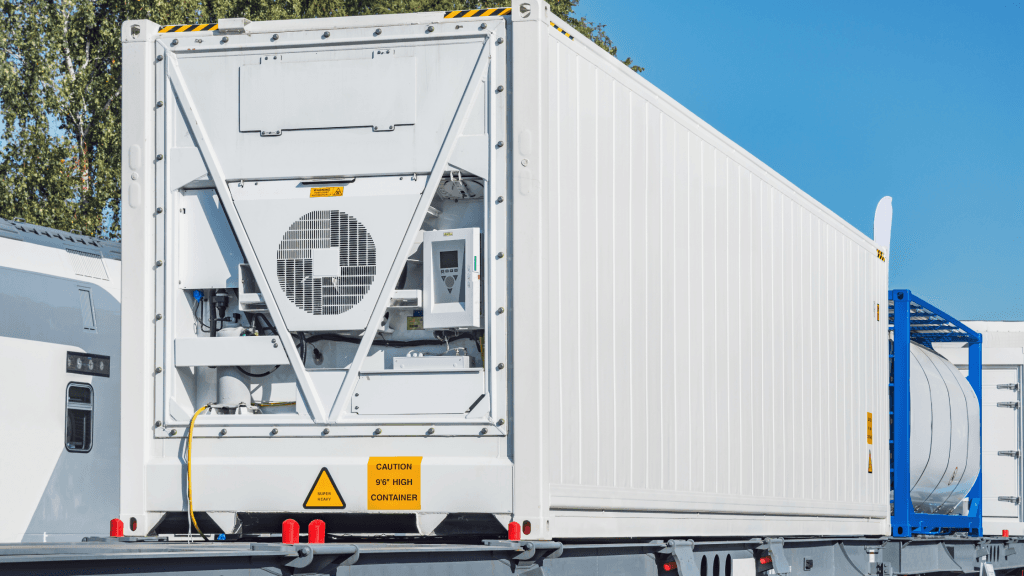
What Are Refrigerated Containers and How Do They Work?
When your business handles temperature-sensitive goods, reliable storage is essential. From fresh food and frozen products to pharmaceuticals and specialist materials, keeping products at the correct temperature helps protect their quality, safety and usability. Refrigerated containers, often called reefer containers, offer a practical way to store and transport goods that require controlled temperatures. They combine ...
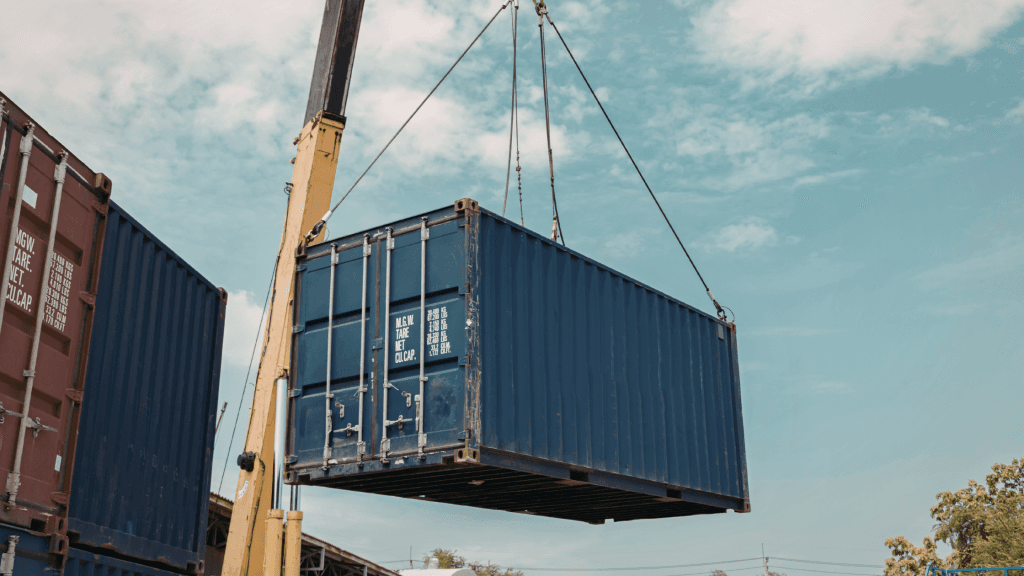
What Size Shipping Container Do You Need?
Choosing a shipping container is much easier when you know how much space you actually need. There are several shipping container sizes available, and the best option depends on what you plan to store, the space available on site and whether the container will eventually be converted. Why Container Size Matters Buying a container that ...
How long does it take to convert a shipping container?
When commercial operations need extra space or site accommodation, timing is critical. One of the greatest advantages of container conversions over conventional construction is predictability. Here is a transparent breakdown of typical fabrication and delivery schedules at GAP Containers. Stage 1: CAD Design & Specification (3 to 7 Days) Every bespoke conversion begins with clear ...